



Microsoft Scam

Don’t take the bait.

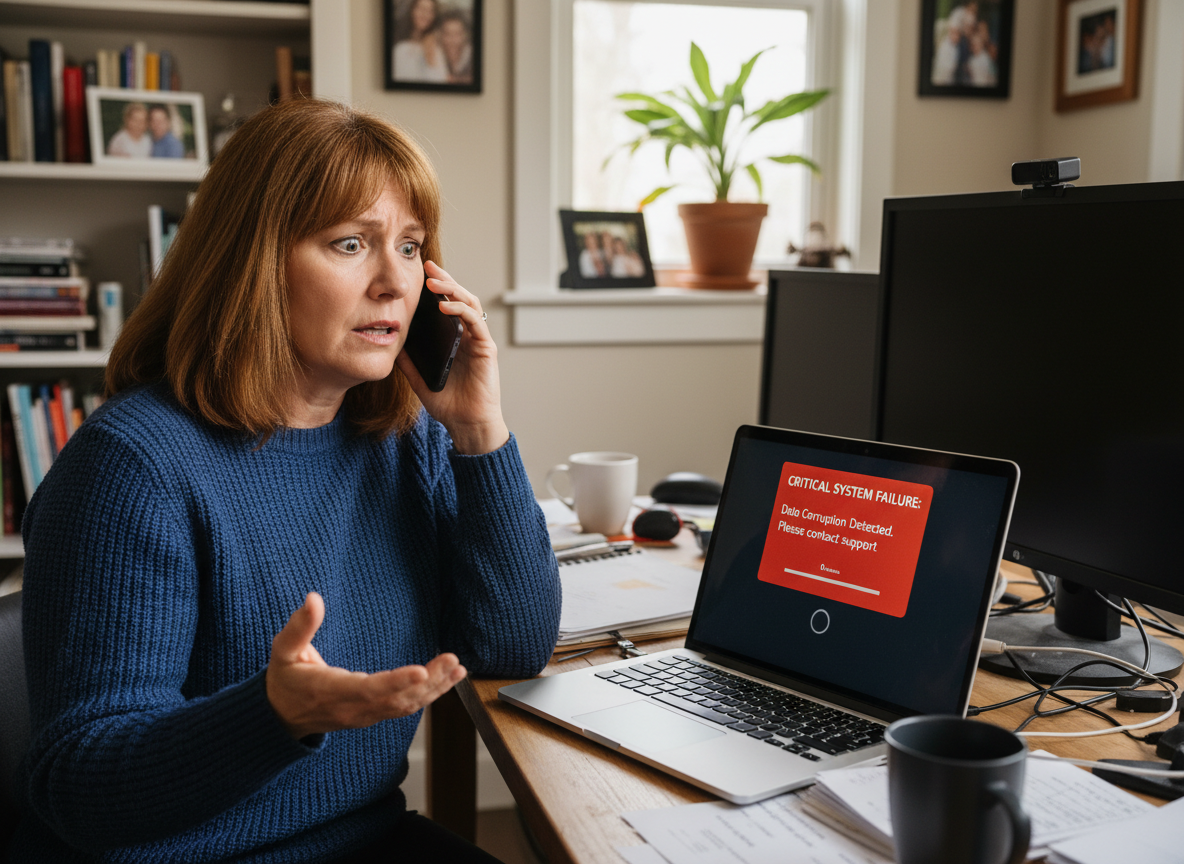
Scammers posing as Microsoft or “tech support” agents will often call, text, or email you claiming your computer is infected or your account has been hacked. They’ll ask you to pay for fake repairs or “security services” using Bitcoin. Real companies like Microsoft will never ask you to send crypto or make payments through a Bitcoin ATM. If someone pressures you, hang up immediately and report it. Athena Bitcoin ATMs are for your use — not for scammers’ schemes.

They will call and tell you

you're experiencing computer issues.

They'll use scare tactics and

create a sense of panic that you have to act.

They will keep you on the phone

and instruct you to a Bitcoin ATM.

WARNING

Scammers can fake phone numbers, emails, and caller IDs.
Never trust what appears on your screen or who the caller claims to be.

If someone tells you to send Bitcoin, hang up immediately, it’s a scam.

Social Engineering

Scammers don’t hack computers — they hack people.

Social engineering means tricking you into trusting them so they can steal your money or information. They pretend to be someone real; a bank, utility, or government agency, and use fear or urgency to make you act fast.

If you feel pressured, it’s a scam. Hang up, delete the message, and verify it yourself.

How the Microsoft

Scam Works

The Fake Alert

You get a call, text, or popup claiming to be from Microsoft or a tech support agent. It warns that your computer is infected or your account is at risk. The message feels urgent — that’s on purpose. The goal is to make you panic and act fast.

The Set Up

The scammer walks you through “fixing” the problem — maybe by installing software, sharing a code, or giving remote access. They sound professional and may even spoof Microsoft’s logo or website to appear legitimate.

The Trap

Once they have your trust, the scammer says there’s a refund, billing issue, or overpayment. They’ll claim to have sent money by mistake and ask you to “return it” by withdrawing cash or sending Bitcoin at a nearby ATM.

The Loss

The scammer pressures you to act immediately, insisting it’s urgent or secret. Once you send Bitcoin, it’s gone — there’s no way to reverse it. Real companies like Microsoft will never request crypto payments for any reason.

Real vs Fake

Legit Microsoft Support

  • Real Microsoft support never calls you out of the blue.
  • They don’t ask for passwords, gift cards, or Bitcoin — ever.
  • If your device really has an issue, you’ll see it through your Microsoft account or verified support channels.
  • Real support teams explain things clearly, give you time to verify, and never rush or threaten you.

Fake Tech Support

  • Scammers pretend to be from Microsoft or another trusted company.
  • They create fake pop-ups, call you unexpectedly, or use scare tactics about “viruses” and “security issues.”
  • They’ll ask for remote access or payment through Bitcoin ATMs or gift cards.
  • Their goal is to make you panic so you’ll act fast — before realizing it’s a scam.
Subscribe to our newsletter
The latest news, articles, and resources, sent to your inbox weekly.
© 2025 Athena Bitcoin All rights reserved.