


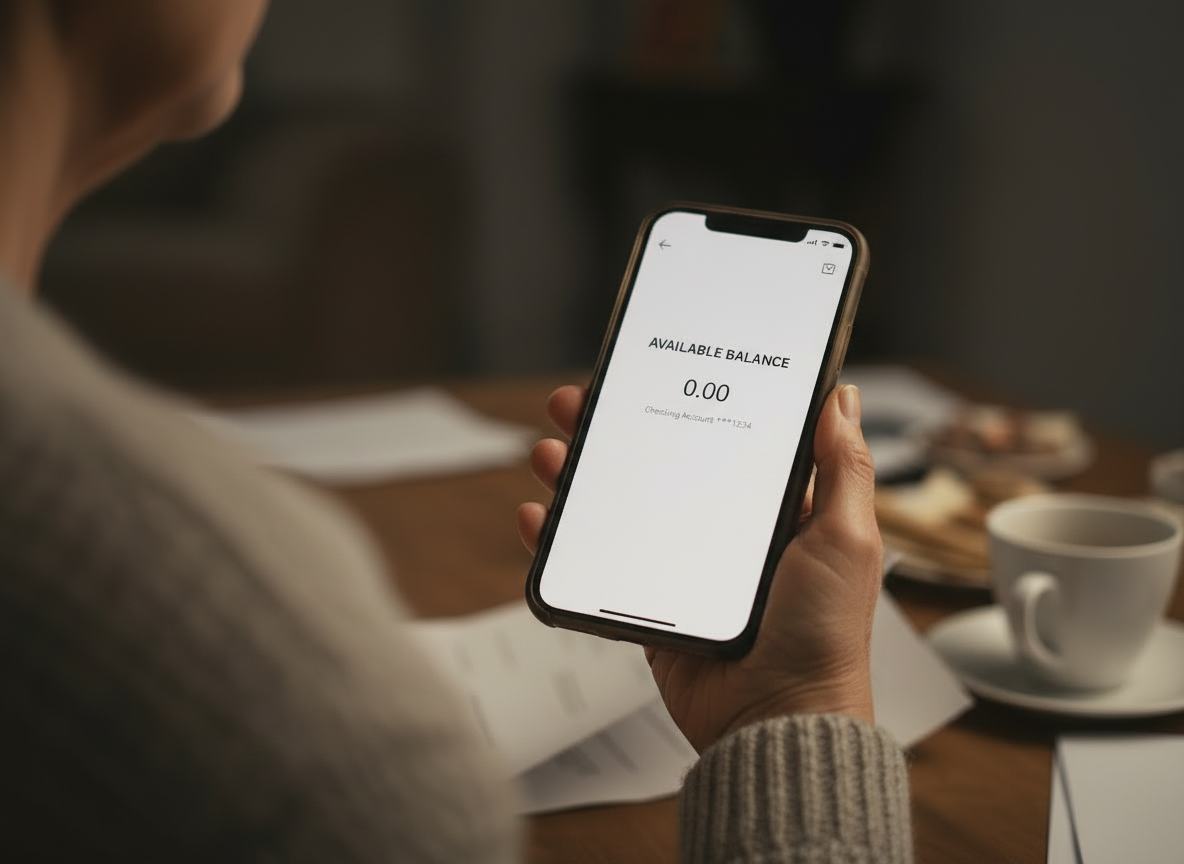

Government Scams

Scammers impersonating government officials claim you owe money, face arrest, or must pay fees to avoid legal trouble. They often pose as agents from the Social Security Administration, U.S. Marshals, FBI, Homeland Security, ICE, or local police. These criminals use fear to control you — saying you’re under investigation, linked to criminal activity, or about to be arrested. Then they demand you “verify” or “clear your name” by sending money or personal information. Real government agencies never make threats or demand payment through Bitcoin, gift cards, or wire transfer.

Imposters in Action

Scammers use fake titles and badges to sound official.

They send forged notices that look

real until you read the fine print.

Once you send money or crypto,

it’s gone for good.

WARNING

Government agencies never call, text, or threaten arrest for unpaid fees.
Verify claims by contacting the official agency — never the number they provide.

If someone tells you to send Bitcoin, hang up immediately, it’s a scam.

Social Engineering

Scammers don’t hack computers — they hack people.

Social engineering means tricking you into trusting them so they can steal your money or information. They pretend to be someone real; a bank, utility, or government agency, and use fear or urgency to make you act fast.

If you feel pressured, it’s a scam. Hang up, delete the message, and verify it yourself.

How the

Government Scam Works

The Fake Notice

You get a letter, email, or call saying you owe taxes, fines, or federal fees.

Pressure Call

They threaten arrest, license suspension, or asset seizure unless you pay now.

Payment Demand

They insist on Bitcoin, wire transfer, or prepaid cards methods no real agency uses.

Disappearance

Once paid, the scammers vanish. There’s no refund, and no real case against you.
Regardless of the setup, the scam always ends with you taking cash out of your bank and putting it into a “government kiosk” (really a Bitcoin ATM). The perpetrators often have another scammer call you pretending to be a different person to “confirm” the fraud.

Real vs Fake

Legit Agency

  • Communicates through official mail or verified portals only.
  • Never asks for crypto, prepaid cards, or wire transfers.
  • Gives you time to verify and respond properly.

Scam Operation

  • Calls or texts claiming “urgent legal action.”
  • Demands immediate payment through untraceable means.
  • Pressures you to stay silent and comply.
Subscribe to our newsletter
The latest news, articles, and resources, sent to your inbox weekly.
© 2025 Athena Bitcoin All rights reserved.